A well-maintained lawn creates a positive first impression and supports healthier turf, but one question many property owners ask is: How often should a commercial lawn be mowed?
The answer depends on the property. A retail center, office campus, and industrial facility all have different landscaping needs. This guide explains what affects mowing frequency, recommended schedules for different property types, and how commercial lawn mowing services create maintenance plans that keep landscapes looking their best.
Why One Mowing Schedule Doesn’t Fit Every Property
Weekly mowing is common during the growing season, but the right schedule varies by property and turf conditions. While weekly mowing works for many properties during the growing season, it isn’t the right solution for every landscape.
Several factors determine how often a commercial lawn should be cut.
- Grass Type: Cool-season and warm-season grasses grow at different rates throughout the year, so your mowing schedule should match the turf’s growth habits rather than follow a fixed routine.
- Weather Conditions: Rainfall, temperature, and sunlight all affect grass growth. A rainy spring often requires more frequent mowing, while dry summer conditions may slow growth.
- Irrigation and Fertilization: Lawns that receive regular watering and fertilizer typically grow faster, which usually means they need more frequent mowing.
- Property Use: High-traffic commercial properties need a consistently neat appearance, while properties with lower public visibility may not require mowing as often.
Following proper mowing practices also protects lawn health. According to Iowa State University Extension and Outreach, no more than one-third of the grass blade should be removed during a single mowing. This “one-third rule” helps reduce stress on the turf and encourages stronger root development.
How Often Should a Commercial Lawn Be Mowed?
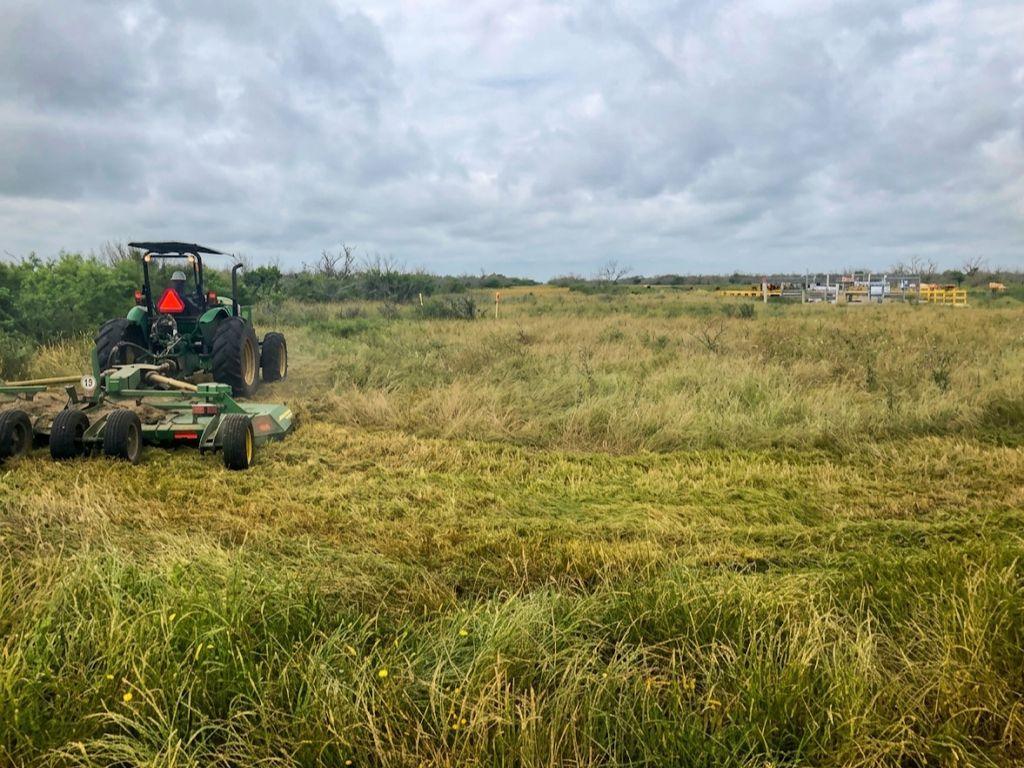
Most commercial lawns should be mowed once a week during the active growing season. However, the ideal schedule depends on grass type, weather, irrigation, fertilization, and how the property is used.
Here are general recommendations:
- Spring: Mow weekly because grass grows quickly with warmer temperatures and increased rainfall.
- Summer: Mow every 7 to 14 days, depending on rainfall, irrigation, and drought conditions.
- Fall: Continue mowing every 7 to 14 days until grass growth slows before winter dormancy.
- Winter: In colder climates, mowing usually stops. In warmer regions, occasional mowing may still be needed.
Rather than following a fixed calendar, the best mowing schedule is based on how quickly the grass grows and the specific needs of the property. Factors such as foot traffic, property type, and appearance standards all influence how often mowing is needed.
How Often Should Different Property Types Be Mowed?
Every commercial property has different priorities. Here are general mowing recommendations based on property type.

1. Office Buildings and Corporate Campuses
Office buildings and corporate campuses benefit from clean, professional landscaping that reflects the company’s image. Since these properties welcome employees, clients, and business partners daily, maintaining a neat lawn helps create a positive first impression.
During the growing season, weekly mowing is often recommended to keep the turf healthy and well-groomed. As grass growth slows in cooler months, mowing every 10 to 14 days may be sufficient. A consistent schedule helps maintain curb appeal, create an inviting workplace, reduce weed growth, and keep outdoor gathering areas attractive.
2. Retail Shopping Centers
Retail shopping centers rely heavily on curb appeal to attract customers. Before visitors walk through the doors, they often notice the condition of the landscaping. Overgrown grass can make the entire property appear neglected, even if the buildings are clean and well-maintained.
Weekly mowing is typically recommended during peak growing months to maintain a polished appearance. High-end retail centers may also require additional landscape maintenance between mowing visits to keep entrances, sidewalks, and outdoor spaces looking their best.
3. Apartment Complexes and HOAs
Apartment complexes and homeowner associations need landscaping that looks attractive while accommodating residents’ daily routines. Well-maintained lawns enhance common areas and contribute to higher resident satisfaction.
Most communities benefit from weekly mowing during the spring and every 10 to 14 days as growth slows. Professional crews often adjust schedules around community events and coordinate mowing times to minimize noise during peak resident activity whenever possible.
4. Schools and Educational Campuses
Schools require consistent lawn maintenance to keep outdoor spaces safe and welcoming for students, staff, and visitors. Areas surrounding playgrounds, athletic fields, and walking paths should remain properly maintained throughout the year.
Maintenance teams often increase mowing frequency during the spring when grass grows rapidly. During summer, schedules may be adjusted based on weather, irrigation, and campus activities. Keeping grass at an appropriate height also helps reduce tripping hazards and supports healthier playing surfaces.
5. Industrial and Warehouse Properties
Industrial and warehouse properties focus more on safety and functionality than decorative landscaping, but regular mowing remains an important part of property maintenance. Grass should be kept under control around loading docks, security fencing, parking lots, employee entrances, and stormwater drainage areas.
Depending on grass growth and property conditions, mowing every two weeks may be sufficient during slower growing periods. However, weekly service is often needed in the spring to prevent overgrowth and maintain safe access throughout the site.
6. Healthcare Facilities
Healthcare facilities, including hospitals, medical offices, and senior living communities, benefit from consistently maintained landscapes that create a welcoming environment for patients, visitors, and staff. A neat exterior also reflects the level of care provided inside the facility.
Weekly mowing is often appropriate during periods of active growth, helping keep walkways clear, improve curb appeal, reduce areas where pests can hide, and maintain a clean, professional appearance. As turf growth slows, mowing frequency can be adjusted based on weather, irrigation, and site conditions to keep the landscape safe and well maintained throughout the year.
Signs Your Property Needs a Different Mowing Schedule
Even with a regular maintenance plan, your current mowing schedule may not be the best fit for your property. Knowing the warning signs can help you adjust your schedule before it affects your lawn’s health, appearance, sustainability, or maintenance costs.
You’re Mowing Too Often
Your lawn can show clear signs when it’s being mowed more often than necessary. If the grass looks thin, has brown patches, or struggles to recover after each cut, it may be under stress. Cutting the grass too frequently or too short can weaken the turf and make it more vulnerable to weeds, drought, and disease.
You’re Not Mowing Often Enough
A lawn that’s overdue for mowing is usually easy to spot. Common signs include uneven grass height, an overgrown appearance, visible weeds, and large clumps of grass clippings left behind after mowing. These issues not only reduce curb appeal but can also create conditions that attract pests and make it harder to maintain healthy turf.
Keep Your Commercial Lawn on the Right Mowing Schedule
The right mowing schedule depends on your property’s needs, grass growth, and the season. Working with professional commercial lawn mowing services ensures your lawn stays healthy, attractive, and well-maintained year-round.
Not sure how often your property should be mowed? Stronghold Vegetation Management can create a commercial mowing schedule based on your property’s turf, usage, and seasonal growth. Contact our team today to build a maintenance plan that works for your site.