
Fence lines rarely make it into strategic planning conversations, but they show up in maintenance invoices.
Weeds along the perimeter don’t just look unkempt. They trigger repeat service calls, extra labor, and long-term infrastructure wear. And if fence line vegetation control isn’t handled correctly, you end up paying for the same problem again and again.
Most recurring fence line issues aren’t caused by aggressive weeds. They’re caused by preventable mistakes.
The Hidden Cost of Ignoring Fence Lines
Fence lines sit at the edge of your property, which often means they sit at the edge of attention.
Crews prioritize turf, entrances, and high-traffic areas. That makes sense from a visibility standpoint. But fence lines collect:
- Windblown seeds
- Irrigation overspray
- Runoff from paved areas
- Organic debris
Those conditions create an ideal germination zone.
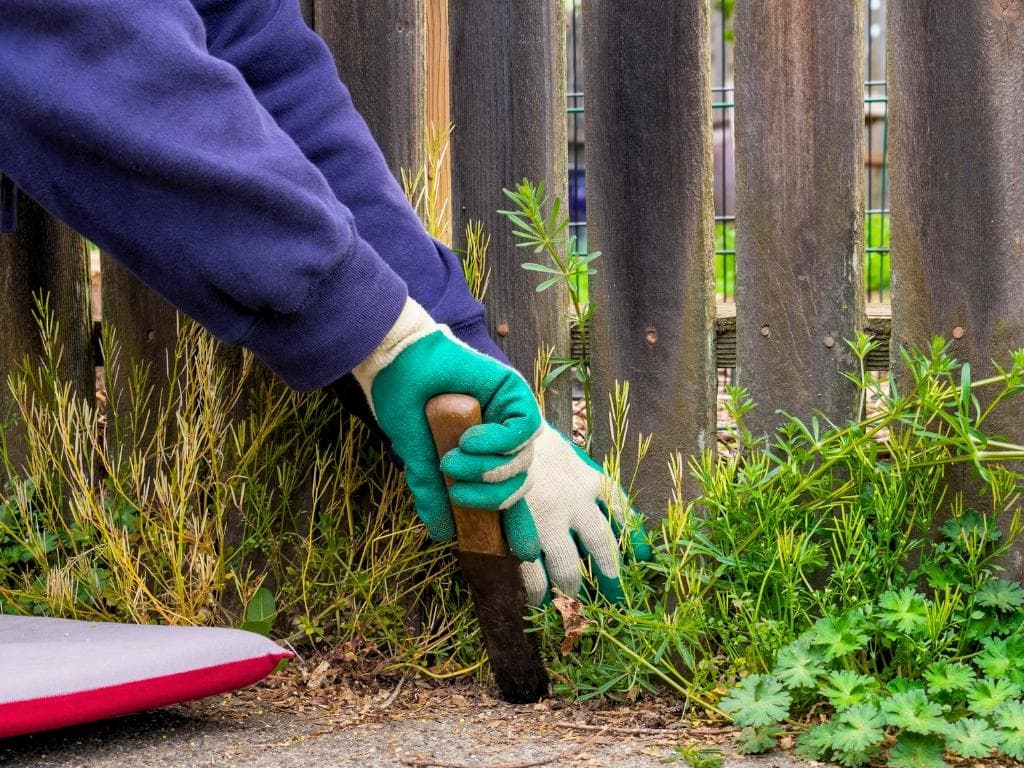
When inspections are inconsistent, weeds establish deep root systems before anyone intervenes. By the time they’re visible from a distance, they’ve already spread laterally along the entire fence base.
Fence line vegetation control works best when treated as preventative maintenance. Waiting for visual overgrowth guarantees higher labor input later.
Ask yourself: Are fence lines part of your scheduled inspection checklist or something handled “as needed”?
Why Repeated Trimming Backfires
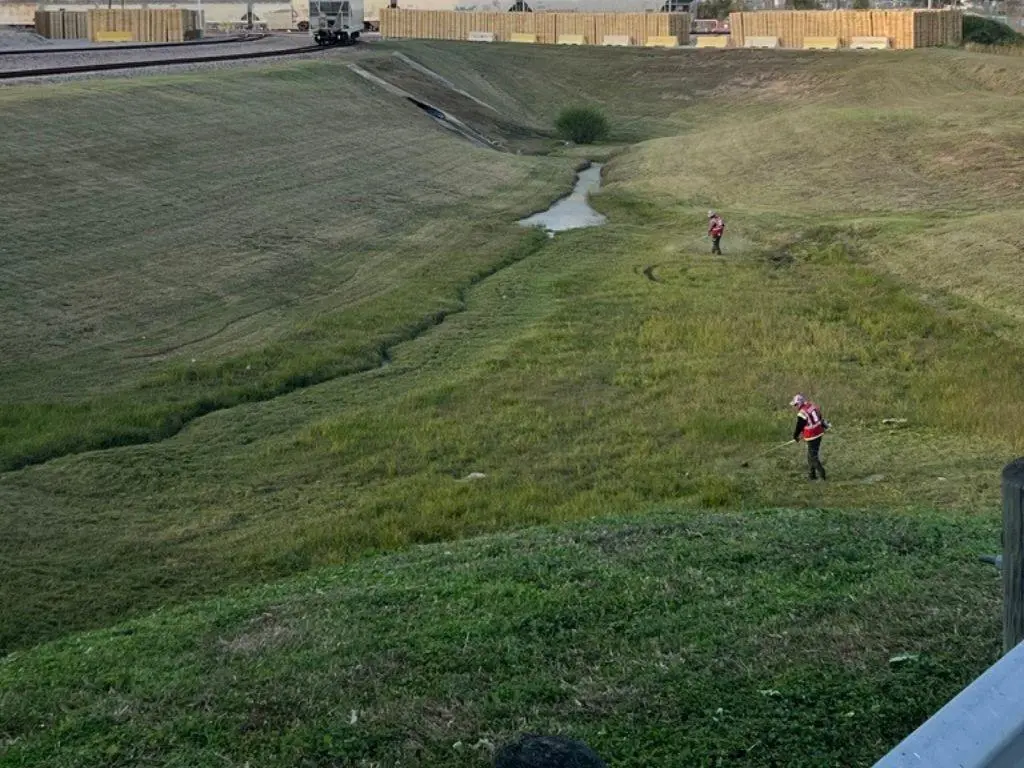
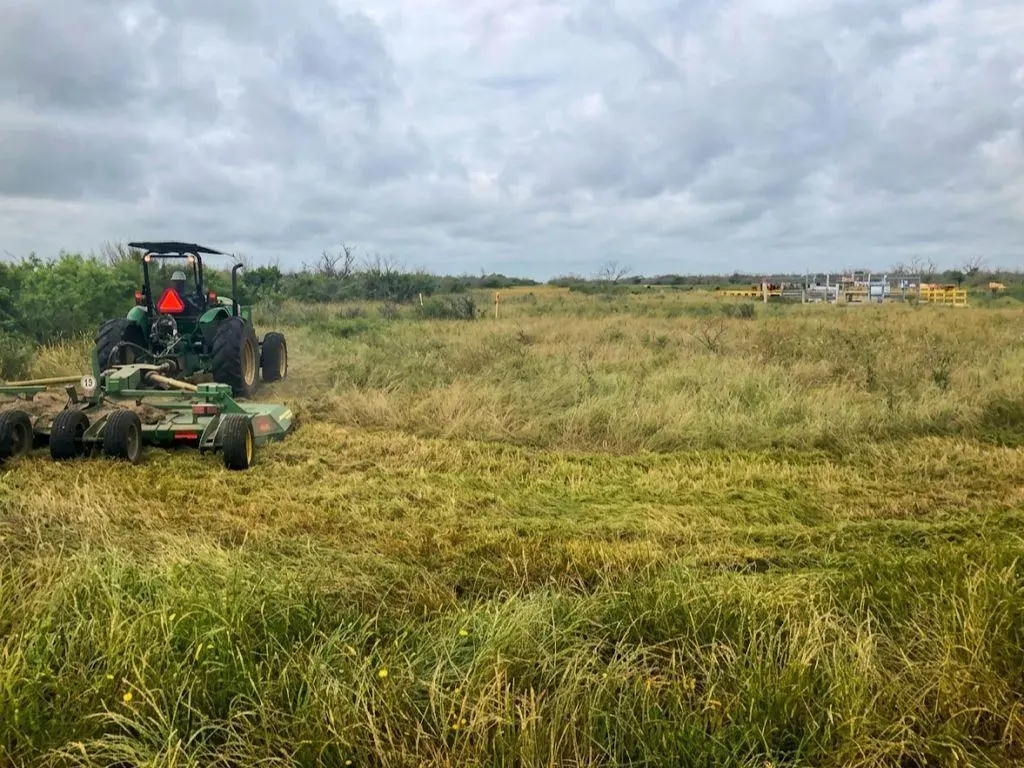
It’s easy to send a crew out with string trimmers. The area looks clean for a short period. The job feels complete. But trimming only removes surface growth. Roots remain active. In fact, repeated cutting can stimulate regrowth in certain species. The plant reallocates energy and comes back stronger.
There’s another issue most people overlook.
Trimmers disturb soil and scatter seeds. Along fence lines, where wind already funnels seeds, this accelerates the cycle.
You end up paying for:
- Frequent return visits
- Increased labor hours
- Ongoing regrowth
That’s not fence line vegetation control. That’s containment.
True control addresses the root system and disrupts regrowth patterns. Mechanical trimming has a role, but it should support a broader plan, not replace it.
If your fence line looks clean for two weeks and overgrown by week four, trimming is masking the issue, not solving it.
The Herbicide Misconception
One product does not fit every fence line. Commercial properties often default to a single herbicide program across all areas. Turf, gravel, and fence lines all receive the same approach.
But fence lines create microenvironments.
You may be dealing with annual weeds in one section, perennial broadleaf species in another, and woody volunteer growth near drainage points. Treating them identically reduces effectiveness.
Timing also matters. Applying at the wrong growth stage results in partial control. Partial control strengthens resistant species over time.
Fence line vegetation control should consider:
- Species identification
- Growth stage
- Surrounding landscaping
- Weather conditions
Precision produces stability. Broad application produces repeat visits. Over time, strategic treatment reduces overall input and improves long-term results.
When Overapplication Creates Liability
Frustration leads some properties to overcorrect. Wider spray bands. Higher concentrations. More frequent applications.
But fence lines are often adjacent to sidewalks, neighboring properties, and stormwater systems. Excess application increases the risk of runoff, plant damage, and compliance concerns.
For commercial property managers, that risk isn’t just environmental but also financial.
Fence line vegetation control must be calibrated. Proper equipment, accurate rates, and trained application prevent drift and unintended impact. More product does not mean better results. Controlled application does.
How To Keep Weeds From Growing Along A Fence Line
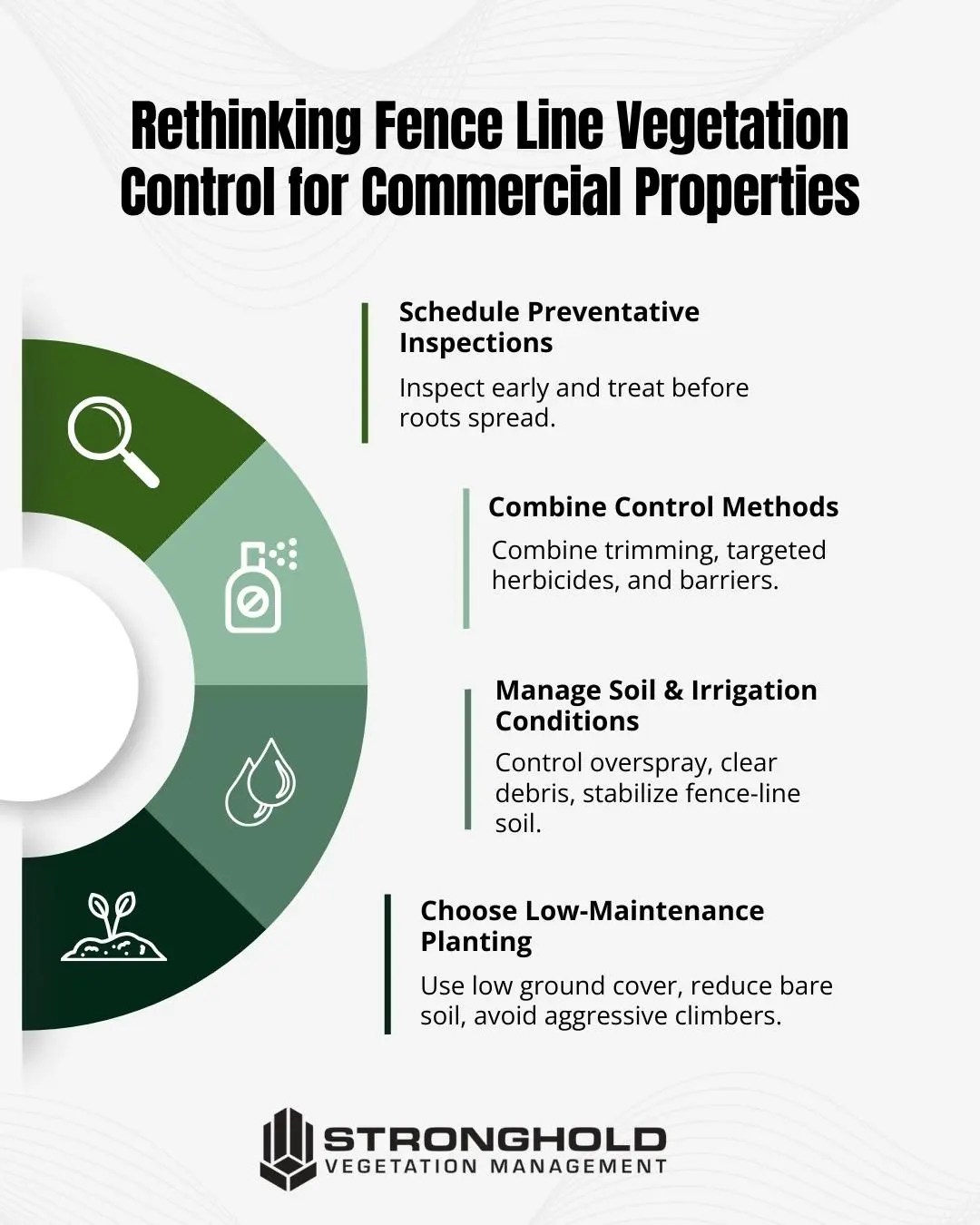
Prevention is more cost-effective than repeated cleanup. Start with consistent inspections. Early identification of new growth prevents large-scale intervention.
Use integrated methods rather than relying on one tactic. Mechanical trimming, targeted herbicides, and physical barriers each play a role.
Maintain clean edges. Remove debris before it decomposes. Keep soil levels stable. Monitor irrigation patterns.
Most importantly, shift from reactive to structured planning.
Fence line vegetation control should be scheduled, documented, and reviewed regularly. When it becomes part of your property management strategy instead of an afterthought, results stabilize.
Ask yourself:
- How often are fence lines evaluated independently from turf areas?
- Are treatments tailored to conditions or applied uniformly?
- Is there a long-term plan, or seasonal cleanup only?
The answers often explain why weed problems persist.
What Can I Plant Around My Fence Line?
Planting can either reduce weed pressure or increase maintenance. The purpose of planting along fence lines should not be decoration alone. It should support long-term management.
Low-growing ground covers can limit exposed soil. Gravel systems with proper barrier fabric reduce germination zones. Native plantings adapted to the local climate often require less irrigation and oversight.
However, avoid vegetation that:
- Climbs or attaches to fencing
- Requires heavy watering
- Produces excessive debris
- Spreads aggressively
Fast-growing vines and unmanaged shrubs often create structural and maintenance issues within a few seasons.
Fence line vegetation control and plant selection must work together. Before installing new material, consider how it will be maintained five years from now, not just how it looks today.
A More Strategic Approach
Fence lines may not generate tenant compliments, but neglected fence lines generate complaints, increased labor costs, and long-term infrastructure damage.
Stronghold Vegetation Management works with commercial property owners and managers who want predictable outcomes instead of recurring issues.
If your fence lines keep demanding attention every season, the problem may not be the weeds themselves. It may be how they’re being managed.
What would change for your property if fence line vegetation control stopped being reactive and became a structured, long-term strategy instead?