In industries like landscaping, agriculture, and land management, effective weed control is essential for maintaining healthy, productive environments.
Using the right commercial herbicide, like selective weed killers or broadleaf weed control, can make a significant difference in effectiveness and cost-efficiency.
In this guide, we’ll explore the types of commercial herbicides, their applications, and best practices, helping business owners make informed decisions for weed control and pest control needs, whether for trees, shrubs, grasses, or other plants.
Key Takeaways
- Knowing the types of herbicides—selective, non-selective, pre-emergent, and post-emergent—helps in targeting specific weeds effectively.
- Use proper methods like broadcast spraying or spot treatment, considering weather and equipment, to avoid harming surrounding plants.
- Always follow label instructions, use appropriate equipment, and consider integrated approaches for safe and effective weed control.
- For tailored herbicide guidance, consult with professionals like Stronghold Vegetation Management.
What is a Commercial Herbicide?
A commercial herbicide is a chemical solution used to control unwanted plants and weeds in various commercial settings. Unlike residential weed killers, commercial herbicides are formulated for large-scale applications, providing higher concentrations for excellent control over broadleaf weeds, grasses, shrubs, and even trees.
Land managers, agricultural professionals, and landscaping businesses rely on herbicides for environments ranging from golf courses and small grain fields to industrial sites and rangeland.
Different types of herbicides target weeds effectively without harming desirable plants in landscapes or lawns.
Why Understanding Commercial Herbicides is Important
Selecting the right herbicide and application method is essential to achieve effective weed control and reduce environmental impact. Misusing herbicides can lead to damage to desirable plants, soil health issues, or the growth of resistant weeds.
Business owners should consider factors such as active ingredients, target weeds, and proper handling practices to ensure compliance with environmental regulations.
For instance, a non-selective weed killer might control all growth, whereas selective herbicides are crafted to target specific weeds like broadleaf varieties.
Types of Commercial Herbicides
Selecting an appropriate commercial herbicide involves understanding the various categories available, each formulated for specific applications:
-
Selective Herbicides
Selective herbicides, also known as selective weed killers, target specific types of weeds while sparing other plants. This makes them ideal for sites like parks, golf courses, and ornamental landscapes where maintaining turf and desirable vegetation is essential.
-
Non-Selective Herbicides
Non-selective herbicides kill all vegetation they contact, making them suitable for industrial sites, parking lots, sidewalks, or other areas where total weed eradication is desired. These weed killers are often used for tougher vegetation, like brush, that may grow around fences and walkways.
-
Pre-Emergent Herbicides
Pre-emergent herbicides prevent weeds from germinating by targeting seeds before they sprout. These are commonly applied to lawns, landscapes, and even certain types of crops like corn to control early weed growth.
-
Post-Emergent Herbicides
Applied after weeds have sprouted, post-emergent herbicides work on already established weeds, providing quick, effective results for unwanted growth in fields, turf, or areas where weeds have grown uncontrollably.
Applications of Commercial Herbicides
Applying commercial herbicides correctly ensures maximum effectiveness and minimizes impact on desirable plants. Here are some common methods for applying herbicides directly to target weeds or growth areas:
-
Broadcast Spraying
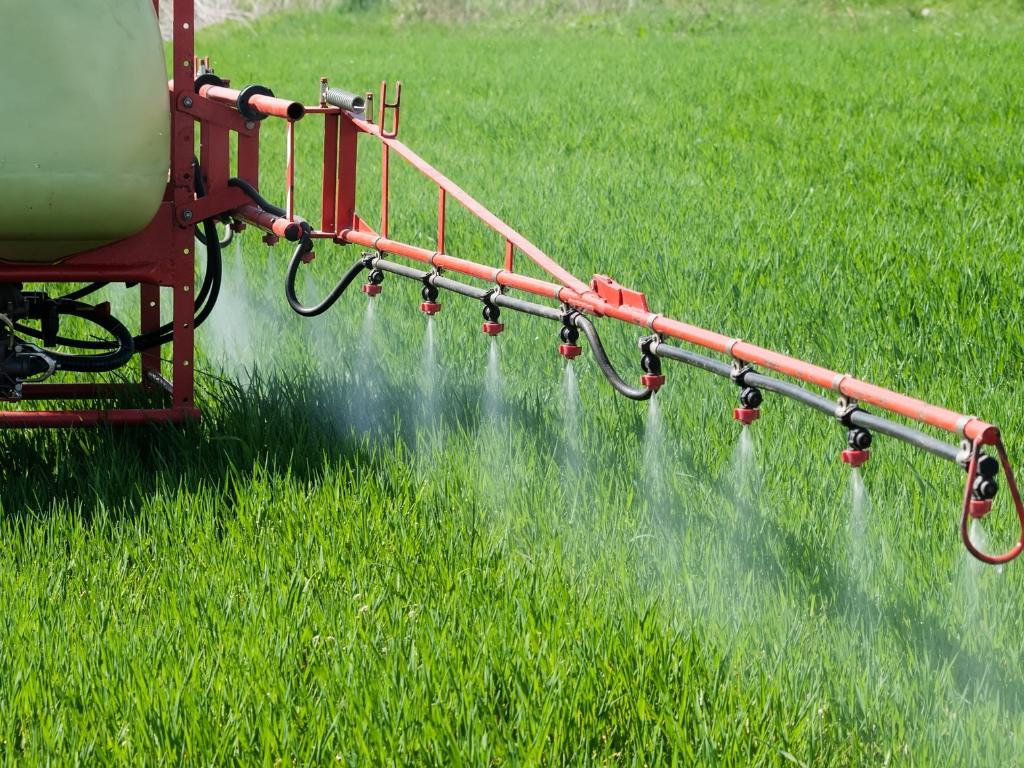
This method covers large areas like agricultural fields, distributing herbicide evenly across crops and weeds. Proper equipment and weather considerations, like avoiding windy or rainy conditions, are essential to prevent herbicide drift onto desirable plants.
-
Spot Treatment
Ideal for targeting specific weeds, spot treatment applies herbicide only to certain plants, sparing surrounding vegetation. Landscapes with ornamental plants and lawns benefit from this approach, allowing for selective weed management.
-
Soil Application
Some herbicides are applied directly to the soil, creating a barrier for emerging weeds. This approach is long-lasting, and perfect for areas where surface vegetation isn’t desired, like pathways or roadsides.
-
Foliar Application
Foliar application involves spraying herbicide onto the leaves of weeds, which absorbs the herbicide into its system, killing weeds from within. This method is useful for controlling brush and other persistent weeds, especially along fences and property edges.
Best Practices for Using Commercial Herbicides
Using herbicides safely and effectively involves understanding product labels and best practices for handling. Here are some best practices from the experts at Stronghold Vegetation Management:
-
Choose the Right Herbicide
Determine if a selective or non-selective herbicide is best for the intended results. For example, selective weed control may be necessary in turf or ornamental settings, while non-selective options may be ideal for walkways or driveways.
-
Follow Label Instructions
Always refer to label instructions, ensuring the correct dilution and application methods are followed. Adhering to these directions helps prevent damage to desirable plants and keeps the process cost-effective.
-
Use Proper Equipment
Choose equipment appropriate to the scale of application—whether small handheld sprayers for spot treatment or larger machinery for broadcast spraying.
-
Monitor Weather Conditions
Applying herbicides in ideal conditions helps maximize effectiveness and prevent issues like drift. Windy or rainy conditions can result in herbicide spreading to unintended areas, potentially affecting desirable plants or waterways.
-
Practice Integrated Weed Management
Combining chemical controls with other methods, such as mechanical weeding, crop rotation, or even using barriers around ponds and walkways, can provide comprehensive weed management while reducing reliance on herbicides alone.
Wrapping Up
Commercial herbicides are powerful tools for effective weed and pest control, but responsible usage is essential. By understanding the different types, applications, and best practices, business owners can achieve effective weed control for lawns, landscapes, and other commercial settings while maintaining environmental integrity.
For expert advice on the right herbicide for your land management needs, consult with Stronghold Vegetation Management professionals.