Have you ever driven down a road or walked under power lines and wondered how those areas stay so open and well-maintained? It’s no coincidence—it’s the result of meticulous right of way clearing.
For business owners, keeping these pathways clear is a critical part of land management that ensures safety, efficiency, and compliance. Curious about how this process can benefit your operations? Let’s dive in and explore everything you need to know about right of way clearing!
Key Takeaways
- Right of way clearing is the process of removing vegetation and obstacles from designated pathways to ensure safe, efficient access for utilities, roads, and infrastructure.
- It safeguards infrastructure, enhances safety, ensures regulatory compliance, and promotes operational efficiency.
- Different clearing methods, such as utility line clearing, forestry mulching, and emergency clearing, cater to various needs and environments.
- Strategic planning, professional assistance, and sustainable practices are key to successful right of way clearing.
What Is Right of Way Clearing?
Right of way clearing refers to the process of removing vegetation, debris, or obstacles from designated areas to ensure safe and efficient access for utilities, roads, pipelines, and other essential infrastructure. These pathways, known as rights of way, are critical for maintaining public safety, accessibility, and the integrity of infrastructure systems.
This practice involves specialized techniques and equipment to clear vegetation while minimizing environmental impact.
Right of way clearing also extends to ensuring compliance with legal requirements, protecting workers, and preventing hazards such as wildfires or structural damage caused by overgrown vegetation.
What is the Purpose of Clearing the Land?
Land clearing serves multiple purposes, depending on the goals and needs of the property owner or manager. At its core, right of way clearing is about preparing an area for safe, functional, and efficient use.
- Ensuring Safety: Clearing vegetation and debris minimizes hazards such as fallen branches, overgrown roots, or fire risks, protecting workers and the public.
- Maintaining Accessibility: Right of way clearing ensures that pathways for power lines, pipelines, roads, or railways remain clear and accessible for maintenance, repairs, or emergency services.
- Protecting Infrastructure: Removing overgrowth prevents damage to pipelines, power lines, or roadways, which can be caused by invasive roots or obstructive vegetation.
- Regulatory Compliance: Many industries are required by law to keep rights of way clear to meet safety and environmental standards, avoiding fines and legal issues.
- Enhancing Operational Efficiency: A clear right of way facilitates uninterrupted operations, reducing downtime and ensuring smooth functionality for utilities and transportation.
- Mitigating Environmental Risks: Clearing reduces the chances of wildfires, erosion, or flooding that can occur when vegetation is unmanaged in these critical areas.
Approaches to Right of Way Clearing
Right of way clearing involves various methods tailored to specific needs, environmental conditions, and regulatory requirements. Here are the key approaches:
1. Mechanical Clearing
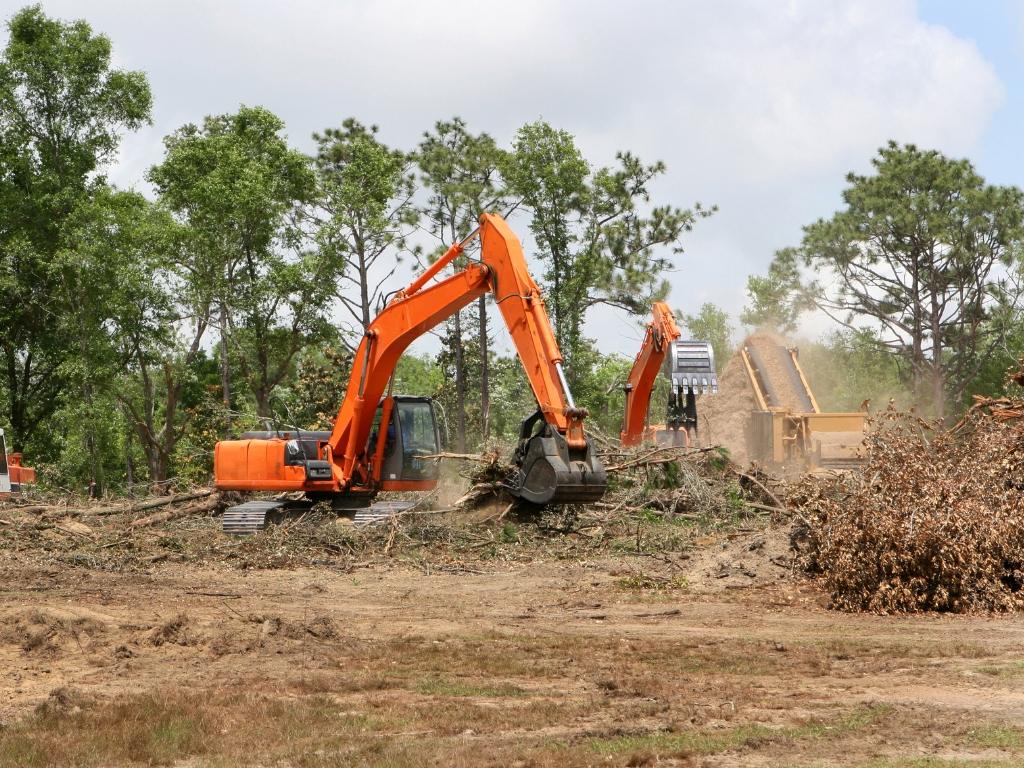
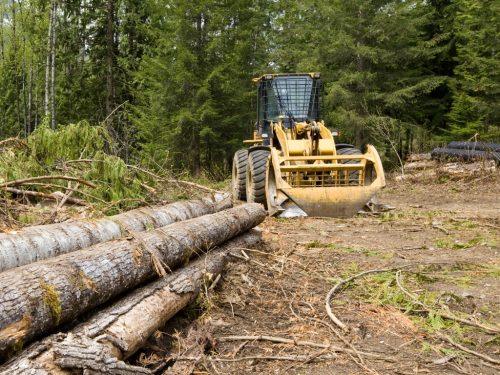
This method uses machinery such as bulldozers, forestry mulchers, and brush cutters to remove vegetation efficiently. It is ideal for large-scale projects requiring rapid clearing.
2. Manual Clearing
Hand tools like chainsaws and trimmers are used for precise clearing in sensitive or hard-to-reach areas, minimizing environmental disturbance.
3. Herbicide Application
Targeted use of herbicides helps control vegetation growth without physically removing it, particularly for managing invasive species or preventing regrowth.
4. Selective Clearing
Focused on removing specific vegetation while preserving desirable plants, this approach is commonly used in environmentally sensitive areas.
5. Forestry Mulching
This eco-friendly method involves grinding vegetation into mulch on-site, reducing waste and providing ground cover that prevents erosion.
6. Controlled Burning
In some cases, prescribed burns are used to clear large areas of vegetation while replenishing soil nutrients, though this method requires strict regulatory oversight.
7. Wetland-Sensitive Clearing
Specialized techniques are employed in wetlands or protected areas to minimize ecological impact, such as using lightweight equipment or hand tools.
8. Emergency Clearing
Quick-response clearing is conducted after natural disasters or emergencies to remove debris and restore access to critical infrastructure.
Tools for Manual Clearing
Manual clearing is ideal for small-scale projects, sensitive areas, or precise work where heavy machinery cannot be used. It relies on handheld tools and techniques to remove vegetation with minimal environmental impact.
- Chainsaws: Versatile for cutting small to medium-sized trees and trimming branches.
- Brush Cutters: Used for cutting through thick undergrowth and bushes.
- Machetes: Effective for clearing light vegetation and small branches.
- Loppers and Pruning Shears: Perfect for detailed clearing of smaller plants and shrubs.
- Hand Saws: Useful for cutting branches in tight spaces where power tools might not fit.
Equipment for Mechanical Clearing
Mechanical clearing is best suited for large-scale projects or areas with dense vegetation. It uses powerful machinery to remove obstacles quickly and efficiently.
- Bulldozers: Ideal for clearing large areas by pushing debris and vegetation aside.
- Forestry Mulchers: Grind vegetation into mulch on-site, offering a sustainable clearing option.
- Excavators with Attachments: Used for uprooting trees, moving debris, or mulching vegetation.
- Stump Grinders: Remove tree stumps and roots, leaving the ground smooth and ready for use.
- Tractors with Mowers or Brush Cutters: Cover large areas quickly by cutting tall grass and thick brush.
How to Clear a Right of Way
Clearing a right of way is more complex than just removing trees, especially for commercial properties and infrastructure.
If you’re new to this, here’s a step-by-step guide with practical details to help you get started. And if it becomes too challenging, experts like Stronghold Vegetation Management can take care of the job efficiently and safely.
Step 1: Assess the Site
Every successful project starts with understanding the site. Walk the area or review detailed maps to identify vegetation, debris, or obstacles that need removal. Pinpoint critical infrastructure like power lines, pipelines, or roads that could pose challenges.
Additionally, check for environmental considerations, such as wetlands or endangered species, as these may require special attention.
Step 2: Create a Clearing Plan
After assessing the site, develop a detailed plan tailored to the project’s needs. Identify specific areas to clear and the tools or equipment required. For example, chainsaws are effective for small trees, while forestry mulchers are better for dense overgrowth.
Include safety measures, such as marking hazards or creating buffer zones around sensitive areas. Additionally, estimate the project timeline and align resources to stay on schedule.
Step 3: Secure Permits and Notify Stakeholders
Right of way clearing for commercial purposes often involves regulatory oversight. Research local and state laws to determine which permits are needed, especially in environmentally sensitive areas.
For example, the key permits and approvals needed for right of way clearing in Texas are:
- TxDOT Permits: Required for clearing or work within state-managed rights of way
- TCEQ Permits: Needed for activities like burning vegetation or work near protected environmental area
- Local Municipal Permits: Depending on the city or county, additional permits may be required for land clearing
- Utility Company Approvals: Necessary when working near power lines, pipelines, or other utilities
- Endangered Species Permits: If clearing affects habitats of protected species, additional approvals may be needed
Additionally, notify stakeholders such as property owners, utility companies, or nearby businesses about your plans. Proper documentation and communication not only avoid fines but also ensure that all parties are informed and aligned.
Step 4: Prepare the Site
Before starting the actual clearing, prepare the site to ensure smooth operations. Remove loose debris, such as fallen branches, rocks, or trash, to prevent interference with equipment.
Clearly mark the clearing boundaries using flags or stakes to avoid accidental over-clearing. Set up barriers or signs around protected zones or nearby structures to keep the work area safe and organized.
Step 5: Clear Vegetation and Debris
With everything in place, it’s time to clear the right of way. For larger areas, use heavy machinery like bulldozers or mulchers to efficiently remove dense vegetation. Chainsaws and brush cutters are ideal for tackling trees and smaller growth.
In sensitive areas, opt for manual tools to limit environmental impact. Pay close attention to safety and adapt as needed for unexpected challenges, like rocky terrain or hidden obstacles.
Step 6: Inspect the Cleared Area
Once the clearing is complete, inspect the area thoroughly. Walk through the site to ensure that all vegetation, stumps, and debris have been removed. Double-check that pathways are unobstructed and infrastructure is accessible.
If any issues remain, address them immediately to finalize the project. This step ensures that the right of way is fully prepared for use and meets all safety and operational standards.
Step 7: Maintain the Right of Way
Right of way clearing isn’t a one-time task—it requires regular maintenance to remain effective. Set up a schedule for periodic inspections to monitor regrowth and identify potential issues early.
Use herbicides where appropriate to control invasive species or prevent vegetation from returning too quickly. Remember that routine maintenance keeps the area functional and reduces the need for costly, large-scale clearing in the future.
When to Call Experts
While this guide provides the basics for tackling right of way clearing, commercial projects can often be demanding and complex. If the task feels overwhelming or if specialized expertise is required, hiring professionals like Stronghold Vegetation Management is the best option.
Our experience ensures the job is completed safely, efficiently, and in full compliance with regulations, giving you peace of mind and allowing you to focus on other priorities.
Conclusion
Right of way clearing is a vital component of effective land management for businesses, ensuring safety, compliance, and operational efficiency. By understanding its importance and employing the right techniques, you can optimize your land management practices.
Stronghold Vegetation Management offers expert solutions tailored to your specific needs, combining safety, sustainability, and efficiency. Contact us today to learn how we can assist with your right of way clearing projects.