

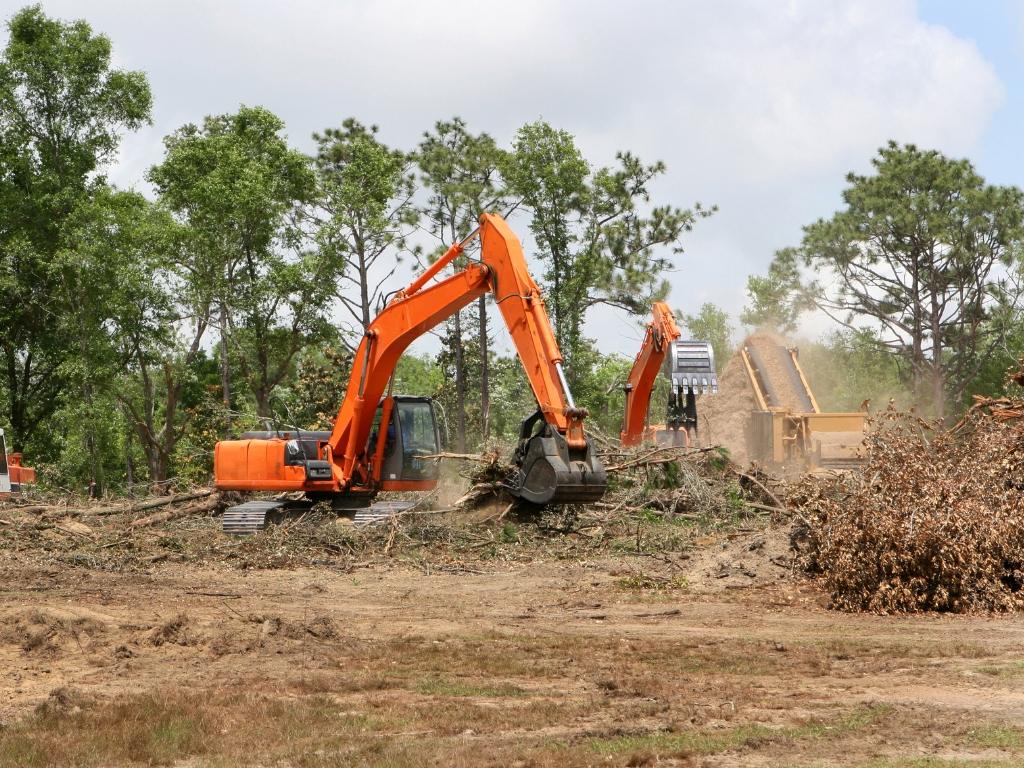
Managing land means managing everything that grows on it, and when that gets out of hand, so does everything else. Overgrowth affects access, safety, inspections, and even how your property is perceived.
Brush clearing gives you back control without disrupting daily operations. It’s a smart move for owners and managers who want fewer surprises and fewer headaches.
Knowing when to clear, how to do it right, and who to hire can save you time and money. Read on so you can make smart calls for your commercial property.
What is Brush Clearing?
Brush clearing is the process of removing overgrown vegetation, like shrubs, weeds, small trees, tall grass, and natural debris, from a piece of land.
In commercial settings, brush clearing often involves specialized equipment like skid steers with mulching attachments, mowers, or even manual tools, depending on the density of the overgrowth and the layout of the land.
When Is the Right Time to Clear Brush?
Brush clearing isn’t a one-time job. It’s something you plan around your property’s specific conditions, weather patterns, and use case. Timing it right helps reduce costs, improve results, and prevent problems before they start.
Here are the most common and most strategic times to schedule brush clearing:
- Early Spring: This is the best time to remove winter growth before vegetation becomes dense and harder to control.
- Before Fire Season: Clearing brush ahead of high‑risk months helps lower fuel loads and improve defensible space.
- After Heavy Rain or Storms: Moisture-driven regrowth and storm debris should be cleared to protect access and drainage.
- Before Construction or Site Work: Brush should be removed to give crews better visibility and safe equipment access.
- When Daily Operations Are Affected: Clearing becomes necessary when overgrowth starts interfering with routine movement, safety, or workflow.
- Ahead of Inspections or Compliance Deadlines: Regular clearing helps you meet local vegetation requirements and avoid potential citations.
Why Commercial Properties Can’t Skip Brush Clearing
Brush clearing is a critical part of maintaining safety, function, and compliance on commercial land. If it’s overlooked, small issues can quickly become operational setbacks or liabilities. These are the core benefits property owners and managers should pay attention to:
- It helps reduce fire risk.
Dense, dry brush can quickly turn into a fire hazard, especially in areas with seasonal wildfire concerns. Clearing it out lowers the fuel load and creates defensible space around structures and access points. - It improves visibility and access.
Overgrown vegetation blocks sightlines, walkways, utility areas, and delivery zones. Clearing restores access for crews, emergency responders, and daily operations. - It prevents property damage.
Weeds and brush can push into fences, drainage systems, pavement cracks, and utility enclosures. That growth leads to more repairs down the line, which could have been avoided with proactive clearing. - It keeps your site code-compliant.
Many municipalities enforce vegetation height and fire safety regulations. Routine brush clearing helps you avoid fines, forced abatements, or complaints from neighboring properties. - It reduces maintenance interruptions.
When overgrowth slows crews down or requires constant temporary fixes, you’re spending time and money reactively. Clearing gives your teams a clean starting point and cuts down on avoidable slowdowns. - It supports long-term planning.
Whether you’re planning upgrades, adding infrastructure, or preparing for inspections, you need a clear site. Brush clearing exposes land conditions so you can make informed decisions.
How to Clear Overgrown Commercial Land

Clearing land the wrong way creates more problems, such as quick regrowth, drainage issues, or unnecessary damage. Here, we’ll walk you through the right process step by step, so you can manage overgrowth without wasting time or budget.
Step 1: Walk the property and document key issues.
Start with a physical inspection of the entire site. Identify where brush is blocking access, encroaching on structures, holding moisture, or affecting visibility.
Check utility areas, drainage paths, fence lines, and fire-prone zones. Take notes and photos, which become your reference when discussing scope with a contractor.
Step 2: Define your objective for the land.
Are you maintaining access, reducing fire risk, prepping for construction, or just staying compliant? Your end goal determines the method, budget, and level of clearing required.
For example, prepping for development may require full cut-and-haul, while routine maintenance may call for mulching.
Step 3: Hire a qualified brush clearing contractor.
Look for contractors with commercial experience, not just residential mowing. Ask about their equipment, safety protocols, insurance, and knowledge of local regulations.
A professional will assess the site and recommend an appropriate clearing plan based on your goals and land conditions.
Step 4: Choose the right clearing method.
Each clearing method serves a specific purpose, and the right choice depends on your land, your goals, and your timeline. Talk through each option with your contractor to avoid paying for work that doesn’t meet your needs or leaves problems unresolved.
- Mechanical Clearing – Ideal for large, flat areas with heavy overgrowth. Uses mowers, skid steers, or brush hogs.
- Forestry Mulching – Grinds brush into mulch onsite. Best for erosion control, slope areas, and firebreaks.
- Hand Clearing – Used for tight spaces, selective clearing, or areas near structures or sensitive zones.
- Cut and Haul – Removes all vegetation and debris. Useful when preparing land for new construction or inspections.
Step 5: Verify permits, environmental rules, and access conditions.
Check local regulations before work starts. Some areas require permits for clearing large areas, removing trees, or disturbing soil near waterways.
You may also need to protect drainage infrastructure or comply with erosion control guidelines. Make sure the crew has access to gates, unblocked paths, and enough space for equipment.
Step 6: Oversee the work as it happens.
Stay available during the project. Walk the site if needed and ask for updates. This allows you to catch problems early, such as missed zones, incorrect clearing depths, or damage to nearby structures. A mid-project check-in often prevents rework.
Step 7: Decide how debris will be handled.
Debris management is a key part of brush clearin, and it affects both cost and site usability afterward. You’ll typically choose between mulching vegetation in place or hauling it off-site.
- Mulch in Place – Faster and cost-effective. Helps control erosion but can encourage weed regrowth if not spread properly.
- Remove Debris – More expensive but leaves the site clean and development-ready.
Ask your contractor exactly how debris will be handled and make sure the method and cleanup are included in the written estimate.
Step 8: Inspect the finished work.
Do a final walkthrough with the contractor. Confirm that all target areas were cleared, access points are restored, and debris was handled properly. Document the results with photos and notes for your records, especially if clearing was done to meet code or prepare for inspection.
Take Control Before Overgrowth Becomes a Liability
Brush clearing isn’t optional when you manage commercial land; it’s part of running your property responsibly. Done right, it protects access, reduces fire risk, improves visibility, and keeps you compliant. Done late, it costs more in repairs, delays, and citations.
If your property is due for clearing or already showing signs of overgrowth, don’t wait. Stronghold Vegetation Management specializes in commercial brush clearing that’s efficient, compliant, and built around your site’s needs. Work with a team that understands the risks and delivers results that last.

