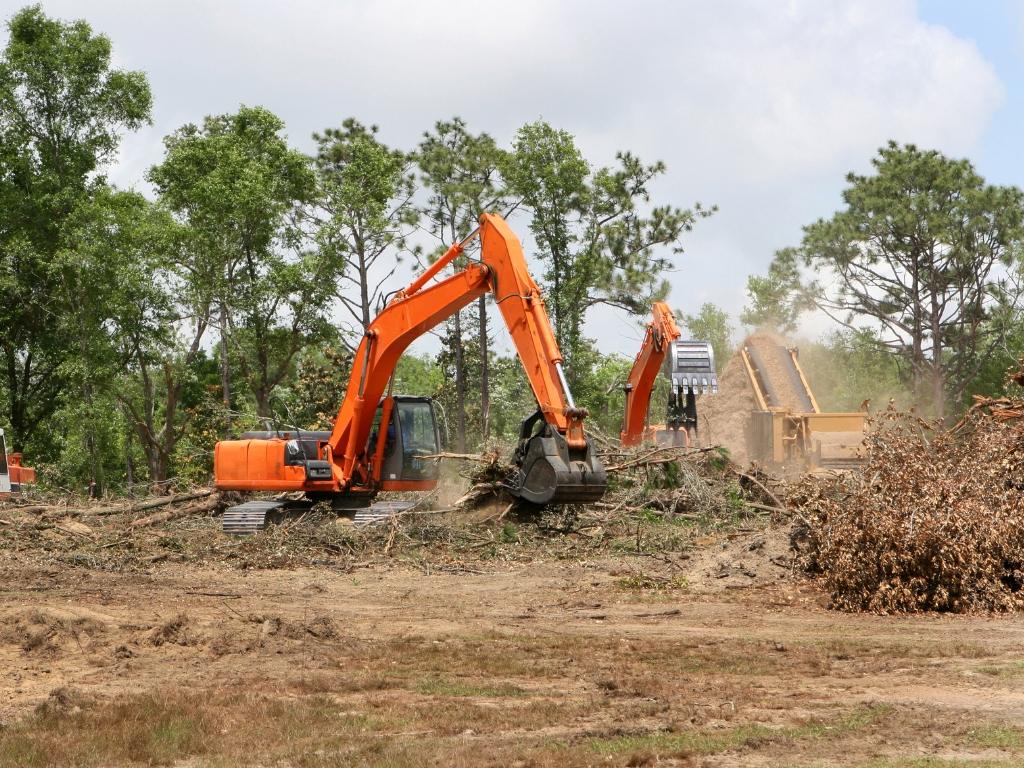
Forestry mulching is a quick, eco-friendly way to clear land, but if you’re planning a project, understanding the costs is essential to stay on budget. In 2025, several factors can impact how much you’ll pay.
In this blog, we’ll break down what drives forestry mulching cost and share tips to help business owners make smart, cost-effective decisions for their land management projects.
Key Points
- Forestry mulching costs in 2025 typically range from $100 to $250 per hour or $500 to $2,500 per acre.
- Elements such as the size of the project, vegetation type, equipment used, terrain conditions, and location affect overall costs.
- Business owners can reduce expenses by getting multiple quotes, planning during off-peak seasons, clearly defining project boundaries, bundling services, and working with experienced professionals.
Overall Estimated Cost
The cost of forestry mulching can vary widely depending on the factors discussed earlier, but having a general idea of the price range can help you plan your budget. In 2025, here’s what you can typically expect:
- Hourly Rates: Forestry mulching services often charge between $100 and $250 per hour.
- Per Acre Costs: For larger projects, mulching costs are often quoted on a per-acre basis. On average, clearing a single acre of land can range from $500 to $2,500.
- Small Projects or Minimum Fees: Many forestry mulching providers have minimum service charges, which typically start around $500 to $1,000, even for small-scale projects or partial-acre jobs.
Factors Affecting Price
When it comes to forestry mulching, costs can vary significantly depending on several factors. Let’s dive deeper into how each of these elements can impact your budget and what to keep in mind when planning your project.
1. Project Size and Scope
The size of the area to be mulched plays a major role in determining costs. Larger plots of land take more time to clear and require more resources, from fuel to labor hours. For example, clearing a 5-acre property will naturally cost more than a smaller 1-acre lot.
Additionally, the scope of the forestry mulching project can make a difference. Are you only removing small underbrush, or do you need large trees and dense vegetation cleared as well? The more extensive the work, the higher the cost.
To optimize expenses, business owners can consider breaking larger projects into phases or prioritizing specific areas.
2. Vegetation Density and Type
Not all vegetation is created equal when it comes to mulching. Heavily wooded areas with large, mature trees take longer to clear and require more effort than areas with sparse underbrush or small shrubs.
The type of vegetation is also a factor. Hardwoods like oak or maple are denser and more difficult to mulch than softer trees like pine. Similarly, thorny bushes or vines can slow progress because they require additional care to clear effectively.
3. Equipment Used
The equipment selected for your project will directly impact the price. High-powered mulchers with advanced capabilities may cost more to operate but can get the job done faster.
For example, standard mulchers are suitable for light vegetation but might struggle with larger trees or rocky terrain. Meanwhile, high-powered, specialized machines can handle dense forests and tougher materials but come with higher operational costs.
Working with an experienced provider, like Stronghold Vegetation Management, ensures you get the appropriate machinery for your job.
4. Terrain Conditions
The condition of the terrain can greatly influence how long the job takes and what type of equipment is required. For example, flat, clear land is easier and faster to work on, which can keep costs lower. On the other hand, uneven, rocky, or wet terrain presents challenges that can slow progress, require extra precautions, or necessitate specialized equipment.
If your property has significant obstacles—such as stumps, boulders, or steep slopes—these will likely add to the total cost as they require additional work to navigate or remove.
5. Location and Accessibility
Where your project site is located and how easily it can be accessed are also key cost factors. For example, remote locations may involve longer travel times, leading to increased transportation costs for the mulching equipment.
Difficult-to-reach areas (e.g., properties with narrow access roads or thick perimeter vegetation) may require extra effort to set up and maneuver equipment.
To minimize these costs, make sure your site is as accessible as possible before the project begins. Clearing access paths in advance or providing detailed site information can help service providers plan efficiently.
Managing Forestry Mulching Costs
Managing forestry mulching costs is key to staying on budget without sacrificing quality. Here are smart tips to help you save while keeping your project efficient.
-
Request Multiple Quotes
Contact several forestry mulching providers to compare pricing and services. This ensures you’re getting competitive rates and helps you find the best value for your project.
-
Schedule During Off-Peak Seasons
Plan your project during slower times of the year when demand is lower. Service providers may offer reduced rates during off-peak seasons, saving your business money.
-
Define Your Project Clearly
Mark the exact areas to be mulched before the work begins. Clear boundaries help avoid unnecessary work, keeping the project focused and preventing additional costs.
-
Bundle Land-Clearing Services
If your project requires multiple services—like stump grinding or site grading—consider bundling them together. Many providers offer discounts for combining services, reducing overall expenses for your business.
-
Partner With Experienced Professionals
Working with seasoned experts like Stronghold Vegetation Management ensures the job is done efficiently and accurately. Their expertise helps minimize waste, saves time, and avoids costly mistakes, keeping your project on track and within budget.
Wrapping Up
Forestry mulching is an eco-friendly land-clearing solution, but understanding cost factors like project size, vegetation, and equipment is key to budgeting. Strategic planning and partnering with experts ensure cost-effective, successful projects.
If you’re ready to start your forestry mulching project, contact Stronghold Vegetation Management for expert guidance and a personalized quote.